
Meny
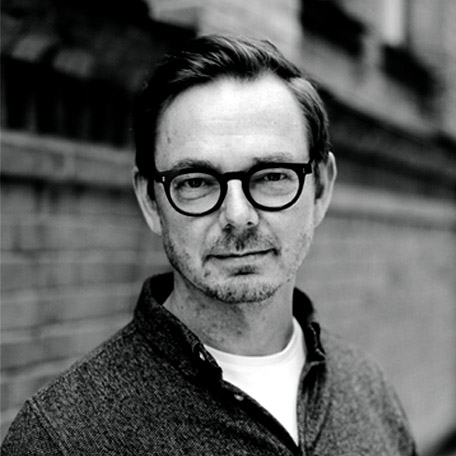
Music specialising in Digital Sound Art at the Royal College of Music in Stockholm (KMH), where he also serves as Vice President. His primary artistic focus is electroacoustic music, while he is also active within jazz and improvised music.
Henrik was among the first researchers to complete a PhD under Sweden’s then newly established framework for artistic research in music in 2008. Since then, he has played an active role in the development of the field across Europe and North America, participating in and leading several major research projects. His own research explores questions of spatiality, participation and collaboration, postcolonial methodologies, and historical electronic instruments. Interdisciplinarity is central to all aspects of his work.
Why is ShareMusic’s work important?
For me, ShareMusic highlights one of the most important challenges in our field: broadening participation in artistic practice. Much of the technological development taking place within music has great potential in this respect, as its artistic focus helps avoid many of the pitfalls associated with commercially driven technology. However, it is not only about electronic music creating new possibilities; inclusion itself has the potential to generate entirely new artistic outcomes.
Why do you want to be part of ShareMusic’s Academic Council?
For me, inclusion is the key reason why I want to contribute to ShareMusic’s work. I hope to share my own knowledge and experience while also learning from others, bringing that knowledge back into academia.
How do you see yourself contributing? Are there any areas you would particularly like to develop?
I hope to contribute by sharing my broad network within the field, particularly in relation to inclusive technology development in artistic research. There is significant untapped potential in this area. I also believe that knowledge of improvisation and complex systems can complement and further strengthen much of the work ShareMusic is already doing.
What do you see as the greatest challenges and opportunities for the organisation in the years ahead?
The current international climate has, in many ways, moved further away from the ideals of inclusion. Postcolonialism has become a politically charged term, and there is an increasing tendency to value conformity over diversity. In this context, ShareMusic has an important role to play, but it may also face significant challenges.
I believe it is essential to continue the organisation’s advocacy work and to strengthen relationships with policymakers and public officials. By doing so, ShareMusic can contribute to positive societal change by promoting diversity, equal rights, and greater inclusion within the arts and music. Artistic research is a vital part of this process, as it generates the new knowledge needed to support meaningful and lasting change.


.png)